
 Private presentation
JustinTyme
If you’re charging for luxury, you’d better deliver it.
The operator who holdsluxury to its word.
Justin built and sold a service business with nearly 900 five-star Google reviews. Now he spends his own money to find out whether luxury delivers what it charges for.
ApprovedProposed Every concept in this presentation carries one of these marks.
Justin Tyme is the brand
He is the master brand, and while the investigations open the door, his perspective, humor and standards are what make people stay.
Beyond the Promise
The flagship editorial series and an extension of his identity: cinematic, paid for with his own money and judged fairly.
YouTube is home
Long-form episodes anchor everything, and every other platform points back to that library.
The operator
After two decades in auto repair, he built a shop that ran without him and then sold it, so he can explain why a process failed.
The customer
He pays his own way, shows the receipt and reacts like someone with money on the line.
The fair judge
He celebrates excellence as loudly as he flags failure, and about one verdict in three is a win.
Executive summary
Launch Justin Tyme as the operator who holds luxury to its word: YouTube as the home, three franchises at launch, LinkedIn as the authority lane, and a published method that makes every verdict defensible.
Overview
The whole strategy rests on one loop: entertainment brings strangers in, Justin's personality keeps them, and his operator credibility earns their trust. That trust opens doors to executives, media and partners, those doors produce better episodes, and each turn of the loop makes the next one more valuable.
Positioning: a man who built and sold a service business with nearly 900 five-star Google reviews, now spending his own money to test whether luxury businesses deliver what they charge for.
Brand architecture: Justin Tyme is the master brand. Beyond the Promise is the flagship editorial series. Every other franchise sits under his name.
Launch franchises: Beyond the Promise (investigation), Tyme Out (personality), The Operator's Desk (authority).
Platform priority: YouTube, Instagram, LinkedIn, TikTok, YouTube Shorts, Facebook.
Cadence: two flagship episodes in the first 30 days from banked footage, then roughly one every three weeks while the pipeline settles, moving to every two weeks by month four. Instagram runs three Reels a day plus a daily Stories arc. TikTok and Shorts take three to four of the best pieces per week. Two LinkedIn posts per week.
Topics: five territories built on viewer questions: The Receipt, The Tell, The Standard, The Operator and The Man, detailed in section 7A.
Calls to action: one ask per post on a five-step ladder (watch, follow, talk, join, enquire), feeding four funnels: viewer, community, operator and shop owner.
Live offer: Justin's shop owner program, sold through his VSL and an application, for independent auto repair shops doing $600K a year or more. It is the money maker today, so it gets about 40% of content, its own ads and first call on direct asks. Social and ads both point to justintyme.pro, and section 7B has the detail.
Engine balance: 70/30 entertainment to authority in the first 90 days, moving to roughly 50/50 by month 12.
Biggest risks: legal exposure from covert filming and defamation claims, a conflict of interest between judging service businesses and selling consulting to them, drifting into a complaint channel, and an editing bottleneck at three Reels a day.
How to read this document
Every recommendation carries one of three labels.
| Label | Meaning |
|---|---|
| Fact | Stated in the brief or by the Planet Ü team. |
| Assumption | A planning input we chose because the real number is unknown. Verify before relying on it. |
| Experiment | A hypothesis to test, with a stated test. Expect some to fail. |
Known facts
Justin built and sold an automotive repair business with nearly 900 five-star Google reviews. The Google listing showed 5.0 across 874 reviews as of November 2026. Re-check the count before it appears in any public copy.
In his VSL, Justin says he has spent over two decades in auto repair, that his shop reached $2.1M in gross revenue and $500K in net profit while running without him, and that he sold it this year to a private buyer. These are his statements. Keep documentation on file before they appear in public copy.
Justin sells a program for independent shop owners doing $600K a year or more. The path is the VSL, a short application, then a free call with one of his consultants.
A poor experience having his Porsche transported started his interest in the gap between premium pricing and delivery.
Beyond the Promise is the approved name of the flagship series. Justin Tyme is the master brand.
Electric blue drawn from his Porsche is the working signature color. Final brand elements are built by the Planet Ü design team.
Justin wants Instagram Reels-heavy at three per day, with a Stories arc. A videographer will be on hand for day-in-the-life capture as well as episode content.
Content was shot with Justin in Denver on Nov 20 and 21, including a Beyond the Promise trailer, supporting social content and the VSL. The footage log needs confirming before the calendar leans on it.
Planning assumptions to verify in week one
| Item | Working assumption | Why it matters |
|---|---|---|
| Current audience |
| All growth benchmarks depend on it. |
| Production capacity | One dedicated videographer plus Planet Ü creative direction and editing. | Sets the real cadence. |
| Justin's availability | Two full shoot days per month plus daily capture while living his normal life. | Caps investigations per month. |
| Legal counsel |
| Covert filming and verdicts carry real exposure. |
| Budget | Unknown. Three operating models are priced as ranges later. | Determines which model applies. |
| Partnerships | None are confirmed, and none are assumed anywhere in this plan. | Keeps revenue projections honest. |
| Audience numbers and platform history |
| Avoids invented baselines. |
Positioning and the central brand principle
Justin Tyme is the operator audiences trust to tell them whether luxury delivered, because he has been on the other side of the counter.
Overview
The investigations open the door and his perspective is what makes people stay, which is why the brand never describes him as a secret shopper, a dealership reviewer or a complaint personality. Each of those labels caps the opportunity at one content type.
Positioning statement
For people who pay for luxury and the people who sell it, Justin Tyme is the host who tests the promise with his own money and judges it the way an owner would. He built a service business on trust, so he knows what delivery costs, and he knows when a premium price has stopped meaning anything.
Why Justin can say it
Three forms of credibility, each backed by something real.
| Credibility | Source | How it shows up on screen |
|---|---|---|
| The operator | Built and sold a service business with nearly 900 five-star Google reviews. | He explains why a process failed, which a pure consumer cannot. |
| The customer | He pays his own way, and the Porsche transport experience started the work. | He reacts as someone with money on the line. |
| The fair judge | Celebrates excellence as loudly as he criticizes failure. | Roughly one in three published verdicts is a win. |
Brand architecture
Justin Tyme is the master brand: the face, the voice, the standard.
Beyond the Promise is the flagship editorial series and carries the investigations.
Supporting franchises each have their own name and format, always presented as Justin Tyme programming.
Future categories (hospitality, travel, premium services) arrive as new franchises, never as a rebrand.
Signature language
The two statements in the brief stay as foundations and never become mandatory slogans.
"If you're charging for luxury, you'd better deliver it."
"You can charge a premium. That doesn't make you premium."
New language should be mined from his actual speech during the voice-capture session described in the personality section. Any phrase that has to be explained to a stranger is dropped.
What Justin must never become
A man who is angry at everything, because anger without proof reads as noise.
A critic who has never carried payroll, which his operator history answers.
A brand that depends on one dealership scandal. Each episode should work on its own merits.
Entertainment earns the attentionthat authority turns into value.
The two growth engines
Entertainment earns the attention that authority converts into value, the strongest content serves both, and the mix shifts toward authority as the audience matures.
Overview
| Engine One: Entertainment | Engine Two: Authority | |
|---|---|---|
| Purpose | Audience acquisition and recognition | Credibility, access, commercial opportunity |
| Core assets | Justin's energy, cinematic experiences, tension, humor | Operator experience, method, informed judgment |
| Lead platforms | YouTube, TikTok, Instagram, Shorts | LinkedIn, podcasts, press, events |
| Success signals | Qualified growth, watch time, retention, returning viewers, shares | Executive engagement, media mentions, invitations, introductions |
| Failure mode | Empty virality with no trust behind it | Credibility with no audience to prove it |
How the loop compounds
An episode earns attention from people who may never buy a luxury car.
Justin's personality turns viewers into returning viewers.
The method and his operator background build trust.
Trust brings executives, journalists and hosts into view.
Those people grant access, which produces better episodes.
Balance over time
Share of published content by primary function. Content that serves both counts toward the engine it leans on most.
| Period | Entertainment | Authority | Rationale |
|---|---|---|---|
| Days 1-30 | 75% | 25% |
|
| Days 31-60 | 70% | 30% | Introduce The Operator's Desk and start the PR file. |
| Days 61-90 | 65% | 35% | First executive conversations and media pitches. |
| Months 4-6 | 60% | 40% |
|
| Months 7-9 | 55% | 45% | Authority content carries commercial discussions. |
| Months 10-12 | 50% | 50% | Two engines at parity, with a recognizable personality behind both. |
Experiment: if LinkedIn engagement from dealership and service leadership accounts runs ahead of plan, shift the authority share up sooner. If YouTube retention stalls, hold the entertainment share until the format is fixed.
Take the wheel onthe Promise Score.
Every investigation is rated on the same six dimensions, with the evidence on screen. Slide each one and watch the verdict move.
Editorial concept, method and legal guardrails
Beyond the Promise starts with no reputation, so its method has to carry the weight: published criteria, one scoring system, visible separation of fact from opinion, and a right of reply on every critical episode.
Overview
This section is a creative and operational framework, not legal advice. Planet Ü should engage media and entertainment counsel before the first covert shoot.
The Promise Score
Every investigation is rated on the same six dimensions, each scored 1 to 5 on screen with the evidence shown beside the score.
| Dimension | The question | Example evidence |
|---|---|---|
| Arrival | How did first contact and booking go? | Response time, clarity, accuracy of what was promised. |
| Honesty | Were pricing and claims straight? | Quote versus invoice, upsell pressure, disclosure of fees. |
| Craft | Was the work or product itself excellent? | Outcome of the service, condition of the vehicle. |
| Care | How was the person treated? | Tone, attention, communication during delays. |
| Follow-through | Did they do what they said, when they said? | Promised callbacks, deadlines, updates. |
| Recovery | What happened when something went wrong? | Ownership, speed and fairness of the fix. |
A business can win on five dimensions and lose on one. The score shows that. It also gives Justin a vocabulary audiences learn and repeat.
Fact, observation, opinion
On-screen labels: timestamps, quotes, invoices and photos appear as documented facts, Justin's reactions are labeled as his experience, and verdicts are labeled as his judgment.
Source rule: any factual claim in narration is backed by footage, a document or a recorded statement. If it cannot be shown, it is cut or reworded as opinion.
Proportion rule: a single bad moment is never presented as the whole business. The edit reflects the full experience.
No individual targets: line staff are not named. Faces of non-management staff and other customers are blurred unless there is written consent. The critique is aimed at the business and its systems.
Fairness protocol
Pre-shoot: document the booking, the quote and any promises in writing.
Post-shoot: assemble a fact sheet of everything the episode will assert.
Right of reply: send the fact sheet to the business and allow a fixed response window, such as 7 to 10 business days, before any critical episode publishes.
Include the response: a substantive reply appears in the episode or a pinned follow-up, unedited in meaning.
Corrections: a public corrections page. Verified errors are fixed and noted within 48 hours.
Follow-up: if a business fixes the problem, Justin says so on camera. That feeds the Right of Reply franchise.
Consent and recording law
Recording rules differ by state and by setting. Several US states require every party's consent to record a private conversation, and the list and the details change. Dealership showrooms may be semi-public. Service desks, offices and phone calls are riskier. Treat every shoot as needing a state-specific legal check.
Pre-shoot checklist completed with counsel for each state: recording law, premises policy on filming, rules for undisclosed filming, and handling of other customers in frame.
Two filming modes: covert capture for the purchase and service interaction itself (only where counsel clears it), and disclosed filming for walkthroughs, interviews and post-experience reactions with signed releases.
Phone calls and chats: record only where consent rules are met. Otherwise keep written records and re-enact nothing.
Releases: signed releases for every identifiable person who appears. Blur where consent cannot be obtained.
Privacy: blur license plates, VINs, addresses and customer information in documents.
Trespass: leave immediately if asked to stop filming on private property.
Legal and brand-safety workflow
| Stage | Control |
|---|---|
| Pre-production | Counsel clears the state and venue. Written plan for what will be recorded and how. |
| Production |
|
| Edit |
|
| Pre-publication |
|
| Post-publication |
|
| Insurance | Media liability coverage is in place before launch, with its terms verified. |
Assumption to verify: counsel can clear a recurring covert-capture format in the states Justin will film in. If counsel narrows it, the format shifts toward disclosed filming and documented written records, and the franchises in this plan still work.
Twelve franchises, with three launching first
Signature content franchises
Twelve franchises give the brand a programming slate. Three launch first: Beyond the Promise, Tyme Out and The Operator's Desk. The rest are sequenced across the first year as production and audience allow.
Overview
Each franchise has a fixed structure, so viewers know what they will get and the team can plan production against it.
| # | Series | Premise and audience | Structure and length | Style and why viewers return | Short-form derivatives | Partnership fit | Engine |
|---|---|---|---|---|---|---|---|
| 1 | Beyond the Promise (flagship investigation) | Justin tests a luxury business as a paying customer. For enthusiasts, owners, entertainment fans. | Cold open on the promise, journey, the moment of truth, Promise Score, right-of-reply, verdict. 15 to 30 min. | Cinematic, tense, honest. Viewers return for the arc and the score. | The best moment, the score card, the reply, a lesson for operators. | Sponsored programming with firewall, never on the business being tested. | Both |
| 2 | Tyme Out (personality) | Justin's life around cars, business and travel, shot by his dedicated videographer. For anyone who likes him. | Loose segments, 6 to 12 min, or 30 to 90 sec moments. |
| Almost all of it is short form. | Lifestyle brands that fit his world. | Entertainment |
| 3 | The Operator's Desk (authority) | A former shop owner explains what the business should have done. For operators and CX leaders. | One lesson, one real case, one action. 5 to 8 min video, 200 word LinkedIn post. |
| LinkedIn posts, Shorts, carousel. | Industry sponsors, consulting leads. | Authority |
| 4 | Standing Ovation |
| Setup, the experience, what made it special, what others can copy. 8 to 12 min. | Celebratory but specific. Viewers return for the good feeling and the proof the brand is fair. | The moment of surprise, the lesson to copy. | Strong fit with aligned premium brands under the firewall. | Both |
| 5 | Three Doors | The same request made to three luxury businesses in one city, ranked. |
| Competitive and clearly structured for debate, so viewers return to see the next city. | One short per door, the ranking graphic. | City or regional sponsors, tourism partners. | Both |
| 6 | Quote Check | Audience-submitted quotes and invoices judged for fairness by Justin. For owners and operators. |
| Analytical and useful, built from his repair background. Viewers return to learn what is normal. | Single-invoice shorts, "red flag" carousels. | Aligned service and tools sponsors. | Both |
| 7 | Right of Reply | A business responds to an earlier episode and Justin evaluates the fix. | A recap, the reply, the retest and an updated score, in 8 to 12 minutes. |
| The apology, the retest, the new score. | Brands that want to show accountability. | Both |
| 8 | Owner's Manual | Justin's own Porsche ownership journey: buying, servicing, transporting, tracking. For owners and enthusiasts. | One ownership question per episode, answered with real costs and experiences. 8 to 12 min. |
| Cost reveals, service tips, "what I would do again". | Automotive aftermarket and lifestyle partners. | Entertainment |
| 9 | The Back Room | Long conversations with dealership principals, founders and executives. For operators and press. | Interview, 45 to 60 min, plus 3 to 5 clips. |
| Clips and quote graphics. | Event and media partners. | Authority |
| 10 | The First Ten Minutes | Justin tests only the first ten minutes at premium businesses: greeting, attention, honesty. |
|
| Each scorecard line becomes a short. | Aligned retail and automotive brands. | Both |
| 11 | The Docket | Audience-submitted cases of luxury disappointment and delight, made for the community. |
| Participatory. Viewers return to see whether their case is chosen. | Case teasers, polls. | Community-friendly sponsors. | Entertainment |
| 12 | Check-In | The hospitality version: premium hotels, travel and dining tested as a paying guest. |
| Extends the brand to a new category and is held until month 7 or later. | Room reveals, service moments, the score. | Travel and hospitality brands. | Both |
Evaluation
Scores of 1 to 5 reflect strategic judgment and should be re-scored once real data exists. Feasibility accounts for the assumed one-videographer setup.
| Series | Originality | Scalability | Feasibility | Commercial potential |
|---|---|---|---|---|
| Beyond the Promise | 4 | 5 | 3 | 5 |
| Tyme Out | 3 | 4 | 5 | 3 |
| The Operator's Desk | 4 | 4 | 5 | 4 |
| Standing Ovation | 3 | 4 | 4 | 4 |
| Three Doors | 5 | 5 | 2 | 5 |
| Quote Check | 4 | 4 | 4 | 3 |
| Right of Reply | 5 | 3 | 3 | 4 |
| Owner's Manual | 3 | 3 | 5 | 3 |
| The Back Room | 3 | 4 | 4 | 5 |
| The First Ten Minutes | 4 | 5 | 4 | 4 |
| The Docket | 3 | 3 | 5 | 2 |
| Check-In | 4 | 4 | 2 | 5 |
The three strongest concepts
Beyond the Promise. It is the signature property, the reason the brand exists, and the content that most directly serves both engines. It carries the most legal and production weight, so it is paced at one episode every two to three weeks.
The Operator's Desk. It is cheap, fast and it turns one background fact (a successful service business) into a daily authority asset. It also gives LinkedIn something native.
Tyme Out. It makes Justin the reason people watch and gives the videographer a daily job. It is also the safeguard if an investigation falls through.
Anchoring the first 90 days: Beyond the Promise anchors the calendar, because everything else gains meaning from a strong first episode. Tyme Out fills the days between releases. The Operator's Desk starts on LinkedIn in week one and moves to video once there are enough episodes to reference.
Second wave (Days 31 to 90): Standing Ovation, The First Ten Minutes and Quote Check, because each is repeatable on a smaller production budget. Held for later: Three Doors and Check-In, because they need either a larger audience or more production time to do well.
Required franchise types
Flagship investigation franchise: Beyond the Promise.
Personality-driven franchise: Tyme Out.
Authority-focused franchise: The Operator's Desk.

Built from how Justinactually talks.
Confident, conversational and funny, and generous when it is earned.
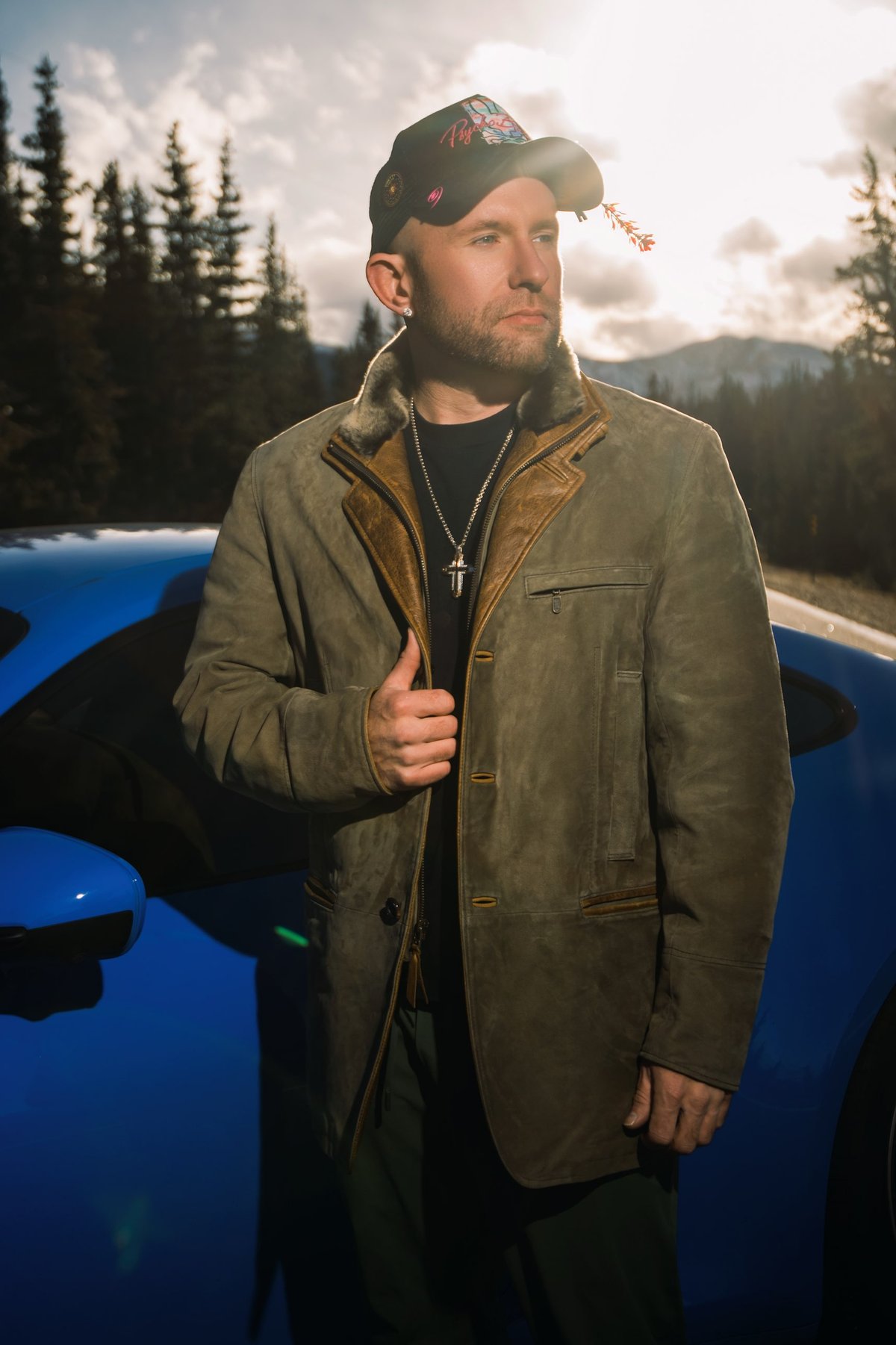
ProposedStarting drafts, replaced by his real phrases after a voice-capture session. Rituals under test: the receipt on screen, the score reveal in blue, the walk-out line, reading a reply aloud in full.
Opening lines
All thirty-six are here. Bracketed items stand in for specifics from the real episode, and none is used unless the footage supports it. Proposed
“They charged me [amount] for the premium option. Here is what I actually got.”
“I booked this myself, paid in full, and filmed everything. Watch what happens at minute [x].”
“The brochure says [promise], so I tested it for a week.”
“They told me one price on the phone and another at the counter.”
“I sold a shop with nearly 900 five-star reviews. I know what it costs to earn them. Let me show you where this place skipped the work.”
“Three hours and one simple request, and here is how a luxury brand handled it.”
“I expected to find a problem and found something worse, which is that nobody noticed I was there.”
“This is what [amount] buys at [business].”
“I gave them every chance to get this right.”
“The car came back with [problem], and here is how they handled it.”
“I came to catch them out and could not.”
“Nobody asked this person to do that, and they did it anyway.”
“This is the standard I wish every luxury business followed.”
“The best service I have had in years cost less than the worst.”
“If your team does this, you will keep your customers.”
“I sold my shop, and here is the one habit I kept.”
“Spend a day with me around [event or car].”
“People ask what I do now, and it is easier to show you.”
“This is what a Porsche weekend looks like when you notice everything.”
“I just read this email from a luxury brand, so let us talk about it.”
“After years running a service shop, here is the first thing I look for when I walk in.”
“Your customer decided in the first thirty seconds. Here is what you said.”
“A good apology costs less than a refund. Here is what a good apology sounds like.”
“If you charge a premium, your phone should be answered like one.”
“Here is why a one-star review is often your cheapest consulting.”
“What should [service] on a Porsche really cost? Here is what I paid, with receipts.”
“I looked at this invoice for ten seconds and found three questions to ask.”
“Is this quote fair? Let me walk you through it line by line.”
“Do not pay this until you ask for [item].”
“Dealership leaders: here is what your customers say after they leave.”
“What customers see in the first ten minutes at your showroom.”
“You can charge a premium. That does not make you premium.”
“The luxury brands that win the next decade will answer the phone.”
“You sent me your worst experience, and here is the one I picked.”
“I made the same request of three luxury businesses, and only one called back.”
“I told them I was coming back to check. Here is what changed.”
The Justin Tyme personality engine
Make Justin himself the reason people watch by building from how he actually behaves. The craft lies in selecting and sharpening the real person.
Voice-capture session (week one)
Before any script is finalized, record two hours of unscripted conversation with Justin: stories from the shop, the Porsche transport experience, opinions about service, jokes he makes. Transcribe it. Mark the phrases he repeats, the rhythms he lands on, the jokes that work and the words he never uses. Every example in this section is a starting point to be replaced by his real language.
The on-camera persona
| Trait | What it looks like | Guardrail |
|---|---|---|
| Confident | Direct statements, clear verdicts. | Confidence is backed by evidence on screen. |
| Conversational | Talks to one person, not a crowd. | No presenter voice. |
| Occasionally confrontational | Calls out a poor answer in the moment. | Aimed at the process and the business, never at a junior employee. |
| Funny | Dry reactions, self-aware asides. | Never mocks customers or staff. |
| Generous | Praises great work with the same energy. | Specific praise only. |
| Operator-minded | Explains what the business should have done. | One idea per segment. |
Signature moves (to be validated)
Recurring rituals give the audience something to anticipate. Choose two or three and test them.
The receipt: every investigation ends with Justin placing the final invoice or confirmation on screen before the score.
The walk-out line: a short, consistent sentence he says as he leaves, which becomes the clip people quote.
The score reveal: a fixed visual and sound for the Promise Score, in electric blue.
The proof line: a brief reference to the shop's reviews, used sparingly and only where it adds context.
The reply read: when a business responds, Justin reads it aloud in full.
Moments of vulnerability
The origin story deserves a real telling. The Porsche transport experience should appear with specifics: what was promised, what happened, how it felt to pay a premium and receive less. Other moments include a bad day on a shoot, a verdict he got wrong and corrected, and the pressure of running a business where every customer can post a review. Vulnerability is earned by telling it plainly and briefly.
Balancing entertainment, authority, sophistication and relatability
| Content type | Entertainment | Authority | Sophistication | Relatability |
|---|---|---|---|---|
| Beyond the Promise | High | Medium | High | Medium |
| Tyme Out | High | Low | Medium | High |
| The Operator's Desk | Low | High | Medium | Medium |
| Standing Ovation | Medium | Medium | High | High |
| The Back Room | Medium | High | High | Low |
The visual world stays polished and cinematic while the delivery stays human, and Justin should never sound more formal than he does at dinner.
Voice guide
These lines are drafts for tuning against his real speech.
Introducing an episode
"This place charges a lot, and today I find out what that pays for."
"I made the booking myself with no tricks, and here is how it went."
Reacting to an experience
"Okay, let me make sure I understand what just happened."
"That is a lot of confidence for a business that has not called me back."
Challenging questionable service
"I am happy to pay a premium as long as I know what I am paying it for."
"If the quote changes at the counter, tell me why before I find out on the invoice."
Recognizing exceptional service
"Nobody told her to do that and she did it anyway, which is exactly what the price is supposed to buy."
"I came to find a problem, and now I want the whole industry to copy what I just watched."
Speaking directly to the audience
"You do not owe a business your patience because the logo is expensive."
"Send me your experience, because the good ones count as much as the bad ones."
Executive credibility
When Justin speaks to operators, he lowers the performance and raises the specifics: costs, process, timing, what he would change. His LinkedIn voice is the same person at a conference table. Only the register changes.
Virality and audience growth
Sustainable growth comes from a repeatable promise to the viewer: a stake in the first three seconds, an open loop that pays off, a host worth coming back for, and a library people can search. Viral spikes are welcome and are never the plan.
Overview
Nothing here promises virality. Every mechanism below is a hypothesis to test.
Growth mechanisms
| Mechanism | How it works for Justin | Durable or short-lived |
|---|---|---|
| Stake in the first 3 seconds | Open on the promise or the problem, with the price or the claim on screen. | Durable |
| Open loops | Withhold the verdict and promise the Promise Score at the end. | Durable |
| Conflict and resolution | A real gap between promise and delivery, followed by a fair outcome. | Durable |
| Emotional investment | Viewers root for Justin and for the business to get it right. | Durable |
| Unexpected outcomes | Some episodes end in a win, and the surprise always comes from honesty. | Durable |
| Pattern interruption | A cut to a document, a silent beat, a deadpan line. | Durable |
| Series anticipation | Fixed formats, a visible slate, a "next up" end card. | Durable |
| Search discovery | Titles built around real questions: "Is [service] worth it?" | Durable, compounding |
| Collaborations | Appear with enthusiast creators, operators and hosts whose audiences overlap. | Durable if audiences fit |
| Community participation | The Docket, comment reads, viewer-submitted quotes. | Durable |
| Trend riding | Use a trend only when it fits his voice. | Short-lived |
| Outrage bait | Exaggerated claims about named businesses. |
|
Thumbnails and titles
One face, one clear emotion, one object that carries the story (the invoice, the car, the price).
Electric blue as the consistent accent, so the channel is recognizable in a grid.
Titles state the stake, with no more than seven words where possible. Avoid anything that reads as a verdict before the evidence.
Pair a curiosity title with a clear thumbnail. If the title and thumbnail say the same thing, rewrite one.
Never promise something the episode does not deliver.
Retention and comments
Re-hook every 60 to 90 seconds in long form.
Put the most surprising beat in the first 20 percent, then keep the verdict for the end.
Close each episode with a specific question that asks the audience to share a related experience, such as "What is the worst quote you ever accepted?"
Pin one comment that asks a debatable question.
Content likely to spark discussion
Among luxury consumers: whether a price premium should come with a service guarantee, what counts as fair after a failure, whether a quote should be binding.
Among industry professionals: the first ten minutes of a showroom visit, how front-line scripts shape trust, whether the right of reply should be standard in consumer media.
Testing framework
Change one variable at a time and judge each test on a pre-agreed metric.
| Element | Test | Primary metric | Decision rule |
|---|---|---|---|
| Hooks | Two openings on the same clip, posted to comparable audiences or on different days. | Retention at 3 seconds and 30 seconds | Keep the hook that holds more viewers by 5 points or more. |
| Video openings (long form) | Cold open versus context-first. | Average percentage viewed in the first 60 seconds | Use the winner on the next two episodes before declaring it. |
| Thumbnails | YouTube Test and Compare on thumbnail variants. | Click-through rate and watch time | Prefer watch time when click-through rate and watch time disagree. |
| Titles | Two titles on the same video. | Click-through rate | Keep one winner for 14 days. |
| Formats | Two franchises in similar slots. | Returning viewers and average view duration | Expand the one that brings people back. |
| Cross-posting | The same story with different platform angles. | Shares and saves | Note which angle each platform rewards. |
Run no more than two tests at a time. Log every test, hypothesis and result in one shared sheet. A test that reaches too few viewers to read is recorded as inconclusive. It is never presented as a result.
One investigation becomessix different pieces.
The same event reaches each platform at a different angle, so no channel feels like a copy of another.
A day on Instagram
Three Reels a day, tied together by one Stories arc
The Take
Justin to camera for thirty seconds, with one sharp opinion on service, pricing or ownership and no setup.
The Life
Day in the life, caught by his videographer: the drive, the meeting, the moment nobody planned.
The Episode
The best moment from a Beyond the Promise shoot or another series, cut to send viewers to YouTube.
The open
Where he is and what today holds.
The setup
What he is about to test, buy or walk into.
Behind it
The unpolished middle, straight from the videographer.
Your call
A poll or question box where the audience weighs in.
The payoff
The verdict, the answer, or a tease for tomorrow.
One shoot, weeks of content
What a single investigation gives the team to work with.
First impressions
Each profile says what you do and why to follow in one breath, in draft wording that is yours to tune. Proposed
I sold the shop and kept the standards.
Now I pay for luxury and tell you whether it delivered.
Beyond the Promise ↓
I built and sold a service business with nearly 900 five-star reviews, I host Beyond the Promise, and I help shop owners build shops that run without them.
The About section tells the shop story in three short paragraphs and ends with the invitation to apply.
Justin Tyme sold an auto repair business with nearly 900 five-star Google reviews. Now he spends his own money to find out whether luxury matches its price. Every episode is scored the same way, and every business gets the right to reply.
TikTok: A paying customer who tests luxury and gives honest verdicts.
Target audiences
Three audience types do different jobs: enthusiasts and entertainment viewers drive reach, business operators and customer experience professionals build authority, and executives, partners and press create commercial opportunity. Prioritize in that order for reach, then run authority and commercial work in parallel from week four.
Overview
| Segment | Job | Motivation and emotional trigger | Why follow, why share | Commercial value | Best platforms |
|---|---|---|---|---|---|
| Porsche and luxury auto enthusiasts | Reach |
| They follow for ownership truth and car culture, and share verdicts with their owner groups. | High: brand affinity, event access, sponsors who want this buyer. | YouTube, Instagram, Facebook groups |
| Luxury owners and prospective buyers | Reach and commercial |
|
| High: purchase influence for dealers and brands. | YouTube, Instagram, Search |
| Investigative and experiential entertainment fans | Reach | Tension, justice, curiosity, a good story. | They follow for the arc and the host, and share the moment that made them react. | Medium: scale and cultural relevance. | YouTube, TikTok, Shorts, Reels |
| High net worth consumers | Commercial |
| Follow for discernment. Share with peers when a recommendation saves them a bad experience. | High: sponsor-relevant, influence in their circles. | Instagram, YouTube, LinkedIn |
| Dealership owners and executives | Authority and commercial |
| They follow to understand their own blind spots, and share internally. | Very high: access, sponsorships, consulting. | LinkedIn, YouTube, podcasts |
| Customer experience professionals | Authority | Wants proof that CX drives revenue. |
| High: conferences, advisory leads. | LinkedIn, YouTube |
| Premium service business owners | Authority and commercial | Recognizes the operational pressure and seeks a peer who has done it. |
| High: consulting and speaking. | LinkedIn, Instagram, YouTube |
| Entrepreneurs and business leaders | Authority | Interested in the exit story and the standards behind it. | Follow for an entrepreneur's view of service. | Medium: network and partnerships. | LinkedIn, Instagram, podcasts |
| Journalists, podcasters, commentators | Authority | Needs a credible source with a story. | Quote or book Justin when he has data and a clear point of view. | High: third-party credibility. | LinkedIn, email, direct pitches |
| Independent auto repair shop owners | Commercial | Wants profit that stays and a shop that runs without them. Tired of 60-hour weeks and advice nobody helps implement. | Follow because he owned a shop and did the work. Share lessons with their service advisor and other owners. | Very high: the buyer for Justin's existing shop owner program. | LinkedIn, YouTube, Facebook groups, the Tuesday Reel |
Priority order
Tier one: luxury auto enthusiasts and owners, entertainment viewers, dealership and premium-service leaders. These three feed the loop in section 3.
Tier two: high net worth consumers, CX professionals, entrepreneurs.
Tier three, as relationship targets rather than an audience to chase: journalists, podcasters and commentators.
Experiment: run two audience tests in the first 60 days. First, check whether auto enthusiasts and general entertainment viewers respond to the same episodes or to different ones. Second, check whether LinkedIn posts built from consumer episodes attract operators or only consumers.
Platform ecosystem
YouTube is the home, Instagram is the face and LinkedIn is the authority lane, while TikTok and Shorts feed discovery and Facebook is a low-effort community channel. Rank by strategic value and what the team can produce well, and let the lower tiers be thin.
Overview
| Rank | Platform | Purpose | Audience | Core formats | Launch cadence | Engagement approach |
|---|---|---|---|---|---|---|
| 1 | YouTube | Flagship cinematic episodes, search discovery, the library that compounds. | Enthusiasts, entertainment viewers, owners, operators | 15 to 30 minute episodes, 5 to 8 minute franchise episodes, playlists | 2 episodes in month one, then about one every 3 weeks, moving to every 2 weeks by month four | Reply to comments in the first 2 hours, pin a question and pull the best comments into the next episode. |
| 2 | Visual identity, personality, community, relationship building. | Owners, HNW consumers, enthusiasts, partners | Reels, carousels, Stories, photography | 3 Reels per day, a daily Stories arc, 1 carousel per week |
| |
| 3 | Authority with operators, executives, media. | Dealership leaders, CX professionals, founders, journalists | Text posts, native video clips, document carousels, short articles | 2 posts per week, 1 native video clip per week |
| |
| 4 | TikTok | Discovery through personality, reactions, high-retention stories. | Broad entertainment audience, younger owners | 30 to 90 second moments, reactions, series teasers | 3 to 4 per week, natively edited | Reply to comments with video. Join relevant trends only when they fit Justin's voice. |
| 5 | YouTube Shorts | Pipeline from short discovery into the long-form library. | Same as YouTube, cold audiences | Clips from episodes, standalone beats | 3 per week |
|
| 6 | Reach in automotive communities and older, high-spending owners. | Owner clubs, regional car groups, shop owner groups | Clips, photo posts, community polls | 2 to 3 per week, reposted from other platforms | Share into relevant groups where rules allow, starting discussions instead of dropping links. |
Instagram daily rhythm
Justin wants Instagram Reels-heavy at three per day, with a Stories arc. His videographer is on hand for day-in-the-life capture as well as episode content. Each Reel slot has its own job, so volume never turns into filler.
| Slot | Reel | What it is | Source |
|---|---|---|---|
| Morning | The Take | Justin to camera with one sharp opinion on service, pricing or ownership. About 30 seconds. | Batch-recorded, 10 to 15 per session |
| Midday | The Life | Day in the life: the drive, the meeting, the unplanned moment. | Videographer's daily capture |
| Evening | The Episode | The best moment from Beyond the Promise or another franchise, pointing to YouTube. | Cut from episode footage and the archive |
The daily Stories arc runs five beats: the open (where he is today), the setup (what he is about to test or walk into), behind it (the unpolished middle), your call (a poll or question box), and the payoff (the verdict or a tease for tomorrow). Across a week, the arc builds toward episode day.
What this takes: about 90 Reels a month. That needs a dedicated short-form editor, a weekly batch session for The Take, and a same-day handoff from the videographer. The Lean operating model in section 19 does not cover it. Experiment: review at Day 30. If average Reel retention or saves fall as volume rises, drop to two a day and keep the strongest two slots.
Why this order
YouTube carries the format that makes Justin distinctive: a long, cinematic story with an arc. Nothing else in the plan works as well without it.
LinkedIn ranks third on strategic value even though it is the cheapest to produce, because it is the only platform where dealership owners and executives show up to learn.
Facebook ranks last because it demands the least original work. It receives repurposed content only.
One investigation, six different pieces
The same event reaches each platform with a different angle so the channels never feel like copies.
| Platform | Angle taken from the same investigation |
|---|---|
| YouTube | The full story with tension, resolution and the Promise Score. |
| Justin's face, the aesthetic, a carousel of the score card, a Story poll about the verdict. | |
| TikTok | The single moment that made him react, native pacing, one open loop that sends viewers to YouTube. |
| YouTube Shorts | A clean clip that stands alone and links to the episode. |
| The operating lesson: what the business could have done in the first 10 minutes to change the outcome. | |
| The community debate: would you accept this treatment at that price? |
Experiment: run a four-week test of LinkedIn native video against LinkedIn text only. Keep whichever earns more qualified comments from operators and executives.
Content pillars
Seven pillars give the channel variety without losing focus. Investigations are the largest, but no single pillar exceeds a quarter of output, so Justin's personality and operator voice get equal room.
Overview
The brief's seven ideas are kept and sharpened. Personality and lifestyle are merged into one pillar. A community pillar is added, because audience participation is a stated goal and gives Justin a source of episodes that costs little to produce. Automotive culture is renamed to Ownership, giving it a clearer job.
| # | Pillar | Function | Share of output | Primary platforms |
|---|---|---|---|---|
| 1 | Beyond the Promise (investigations) | Both | 25% | YouTube, TikTok, Reels, LinkedIn |
| 2 | Standing Ovation (exceptional service) | Both | 15% | YouTube, Instagram, LinkedIn |
| 3 | Tyme Out (personality and lifestyle) | Entertainment | 20% | Instagram, TikTok, YouTube |
| 4 | The Operator's Desk (CX education and commentary) | Authority | 15% | LinkedIn, YouTube |
| 5 | Ownership (automotive and luxury culture) | Entertainment | 10% | YouTube, Instagram, Facebook |
| 6 | The Back Room (interviews and industry conversations) | Authority | 10% | YouTube, podcast, LinkedIn |
| 7 | The Docket (audience-submitted cases) | Both | 5% | Instagram, TikTok, YouTube community |
Rationale for the mix: the first 90 days lean on pillars 1, 2 and 3 because they build recognition fastest. Pillars 4 and 6 are seeded early and grow as the authority engine matures. Pillar 7 stays small until there is a community large enough to submit cases.
Pillar detail
1. Beyond the Promise
Purpose: build the reputation and the primary source of watchable stories.
Appeal: tension, justice, and the pleasure of watching someone with standards.
Recurring: full investigations, follow-up verdicts, three-business comparisons.
Example concepts: a transport service for a collector car, a dealership service lane, a premium oil change that cost more than the work justified.
Sample hooks: "I paid for the premium option. Here is what the premium option actually included." "They quoted one price on the phone and a different one at the counter."
Production: covert and disclosed capture, cinematic B-roll, legal review, right of reply. The most expensive pillar per piece.
Contribution: the largest driver of recognition and the base for PR pitches.
2. Standing Ovation
Purpose: prove fairness and give viewers an uplifting counterweight.
Appeal: it feels good, and it gives businesses a reason to share the content.
Recurring: one standout service discovery per month.
Example concepts: a service advisor who over-communicates, a transport company that delivers a car cleaner than it left, a hotel that anticipates a request.
Sample hooks: "I came looking for a problem. I left with a recommendation."
Production: disclosed filming with a release, a lighter legal load and strong sponsor-adjacent value behind a strict firewall.
Contribution: credibility. It protects the brand from the complaint-channel label.
3. Tyme Out
Purpose: make Justin someone people watch regardless of subject.
Appeal: energy, humor, entrepreneurial perspective, the rhythm of a life around cars and business.
Recurring: daily-life capture, drives, travel, reactions, unscripted commentary.
Example concepts: a day around a Porsche event, a quick take on a bad email, what he learned from running a shop that he still uses.
Sample hooks: "I sold my shop. Here is the one habit I could not sell."
Production: the dedicated videographer's daily capture with a light edit.
Contribution: audience growth and the retention that makes people return.
4. The Operator's Desk
Purpose: show the business thinking behind the verdicts.
Appeal: practical insight for owners and managers.
Recurring: weekly LinkedIn post, monthly short video.
Example concepts: what a service advisor says in the first 30 seconds, why a good apology costs less than a refund, how to answer a one-star review.
Sample hooks: "After years running a service shop, here is what makes people say yes to a higher quote."
Production: talking-head capture, a few hours per month.
Contribution: authority and inbound from executives.
5. Ownership
Purpose: anchor Justin in car culture and give enthusiasts a reason to follow.
Appeal: belonging, shared passion, technical curiosity.
Recurring: Porsche ownership topics, events, drives, purchase and service decisions.
Example concepts: what the first service on a new Porsche should cost, a transport comparison for a collector car.
Production: high-quality drive footage and event capture.
Contribution: qualified audience from the enthusiast community and sponsor relevance.
6. The Back Room
Purpose: put Justin in conversation with people who run luxury businesses.
Appeal: candid executive and founder conversation, a window into how decisions are made.
Recurring: one long-form conversation per month from month three.
Example concepts: a dealership principal on what customers never see, a luxury hotel GM on handling a failure in front of a guest.
Production: a studio or on-location setup, with an audio feed for podcast distribution.
Contribution: the strongest source of executive relationships and press credibility.
7. The Docket
Purpose: turn the audience into a source of cases and a reason to return.
Appeal: participation, and the satisfaction of having a case chosen.
Recurring: a monthly submission window and one verdict video.
Example concepts: a reader's repair invoice, a reader's delivery delay, a reader's hotel recovery story.
Production: mostly desk-based, built from submissions with documents and Justin's reactions.
Contribution: community loyalty and a stream of ideas that cost little to produce.
Cinematic production and repurposing
Run production in five tiers with different cost and polish levels. A small number of cinematic shoots feed a larger stream of lightweight capture, so the premium look is preserved without needing premium effort on every post.
Production tiers
| Tier | Content | Crew | Cadence | Output |
|---|---|---|---|---|
| Beyond the Promise, Standing Ovation, Three Doors | Director or creative lead, cinematographer, sound, plus Justin | 2 shoot days per month | 1 to 2 full episodes per month |
| Tyme Out, Owner's Manual | Dedicated videographer | On hand daily for day-in-the-life capture, plus episode shoots | Daily raw footage feeding one to two Reels a day and the Stories arc |
| Cut-downs, reactions, TikTok-native | Short-form editor, with source from A and B | Continuous | About 90 Reels per month for Instagram, with the best reposted to TikTok and Shorts |
| The Back Room, podcast | Producer plus small crew | 1 session per month from month 3 | 1 long conversation, 3 to 5 clips |
| The Docket, Quote Check | Desk-based editor | Monthly cycle | 1 to 2 videos, 4 to 6 shorts |
Visual rules
Premium look: consistent color grade with electric blue as an accent, controlled camera movement, clean graphics for the Promise Score and receipts.
Natural moments: lifestyle and vertical content can be handheld and unpolished, provided it holds the same color and typography.
One graphic system: score cards, lower-thirds and thumbnails follow the Planet Ü brand guidelines and are produced from templates.
Repurposing model: one dealership investigation
Example: Justin books a premium service visit at a luxury dealership, films it under counsel-approved conditions, and publishes after the right of reply window.
| Asset | Platform | Quantity | Angle | Entertainment or authority | Source and effort |
|---|---|---|---|---|---|
| Flagship episode | YouTube | 1 | Full story and Promise Score | Both | New edit, highest effort |
| Standalone clips | YouTube Shorts | 3 to 5 | The best moments, each self-contained | Entertainment | Cut from episode |
| Reels | 3 to 4 | Personality and visual identity | Entertainment | Cut from episode | |
| Vertical stories | TikTok | 3 to 4 | The reaction and the open loop | Entertainment | Cut from episode, native text |
| Stories | 6 to 10 frames | Polls, score card, behind the scenes | Entertainment | B-roll and graphics | |
| Clips | 2 | Community debate | Entertainment | Repost from Shorts | |
| Commentary posts | 2 | What the business could have done in the first 10 minutes | Authority | New copy, short edit | |
| Native video | 1 | Operator's lesson | Authority | Talking head, 60 to 90 sec | |
| Carousels and stills | Instagram, LinkedIn | 1 to 2 | Promise Score card, key moments | Both | Photography and graphics |
| Teasers and follow-ups | All | 2 to 3 | Pre-release teaser, reply update | Both | Cut from episode, new copy |
| Media pitch | 1 | A data point and a clear point of view | Authority | New copy, 1 page | |
| Executive outreach | LinkedIn or email | A few | Share the fact sheet and an invitation to respond | Authority | New copy |
Realistic output per major investigation: one flagship episode, 8 to 12 short-form pieces, 4 to 6 LinkedIn items, and one media pitch. The ranges depend on the footage. A thin story supports fewer pieces, and the team should say so rather than pad.
Timeline for one investigation
Days 1 to 3: counsel clears the plan, bookings are made and documented.
Day 4 or 5: the shoot.
Days 6 to 12: first cut, fact sheet, fact-versus-opinion pass.
Days 13 to 14: counsel review.
Days 15 to 24: right of reply window.
Days 25 to 27: final edit with response included.
Day 28: premiere, followed by a seven-day derivative schedule.
The long lead time is a reason to build a bank of two to three finished episodes before launch pressure sets in, and to rely on Tyme Out, Operator's Desk and Standing Ovation content for the in-between days.
Production priorities
Capture quality of audio and the key moment of truth.
Capture proof: invoices, quotes, timestamps.
Capture Justin's reaction right after the event while the feeling is fresh.
Capture B-roll of the facility and the car.
Capture the supporting social content last.
Social profile optimization
Every profile answers three questions in the first line: what Justin does, why it matters, and why to follow. All copy below is draft language for Justin to tune. Confirm the review count before publishing any number.
Instagram bio (three options, 150 characters or fewer)
I sold the shop and kept the standards.\nNow I pay for luxury and tell you whether it delivered.\nBeyond the Promise ↓Built a shop with nearly 900 five-star reviews. Now I test whether luxury earns its price. New episodes below.A paying customer with real experiences and fair verdicts on luxury.\nIf you charge for it, deliver it.
Recommendation: option 1 for the rhythm. Link: one page with four buttons in this order: watch Beyond the Promise, send a case to The Docket, get the scorecard, and shop owners apply here.
TikTok bio (80 characters)
A paying customer who tests luxury and gives honest verdicts, with full episodes on YouTube.
YouTube channel description
Justin Tyme sold an auto repair business with nearly 900 five-star Google reviews. Now he spends his own money at luxury dealerships, service centers, transport companies and hotels to find out whether the experience matches the price. Every episode is scored on the same six dimensions, every critical episode includes the business's right to reply, and every great experience gets credit. New episodes every other week.
Add a business inquiries email and a link to the methodology page in the first two lines of the About box.
Headline (220 characters): Built and sold a service business with nearly 900 five-star reviews | Host, Beyond the Promise | Testing what luxury charges against what it delivers
About:
I spent years running an automotive service business where every customer could leave a public review. I sold it with nearly 900 five-star reviews, and I learned what it costs to keep a promise.
Now I host Beyond the Promise, a series where I pay for premium experiences, document what happens, and score them on a published method. I celebrate excellence as readily as I flag failure, and businesses can respond before critical episodes go live.
I speak with dealership leaders, premium service founders and customer experience teams about trust, pricing and follow-through. If you want a clear view of how your customer experience looks from the front counter, send me a note. If you own an independent shop doing $600K or more and it still needs you every day, the application is in my featured links.
Visual direction
| Asset | Direction |
|---|---|
| Profile photograph | Planet Ü portrait: Justin mid-expression, warm and direct, tailored but not stiff, electric blue in the setting or accent, shallow depth of field, a luxury car out of focus behind. One consistent crop across all platforms. |
| YouTube banner | Wide cinematic frame with Justin and the car, the line "Beyond the Promise" in clean type, upload schedule in the safe area. |
| LinkedIn banner | Cleaner version: Justin at work, the series name, and a one-line promise. |
| Instagram Highlights | Start Here, The Method, Episodes, Standing Ovation, Operator's Desk, For Shop Owners, Behind the Scenes, Ask Justin. Covers in one graphic system with electric blue. |
| Pinned posts (Instagram) | The trailer, the Promise Score explainer, the origin carousel. |
| YouTube pins | A pinned comment under each episode with the Promise Score and the right-of-reply link. |
| LinkedIn featured | The methodology page, Episode 1, the announcement post. |
YouTube playlists
Beyond the Promise: Full Investigations
Standing Ovation
The Operator's Desk
Tyme Out
Quote Check
The Back Room
Start Here (the three best introductions)
Calls to action and website integration
One primary action per platform: subscribe on YouTube, follow on Instagram, follow and connect on LinkedIn, "watch the full episode" on TikTok.
The website hosts the methodology page, the corrections policy, the right-of-reply form, the Docket submission form, a business inquiry form and a media page. Search optimization on the site should aim to send traffic to the YouTube channel.
Every episode description links to the methodology page and the Docket.
Every post answers a question,and every ask moves one step.
Five territories, each built on something the viewer already wants to know. Proposed
Am I getting what I paid for?
The morning Reel on WednesdaysHow do I spot it before I pay?
The morning Reel on MondaysWhat does great look like?
The evening Reel, any dayWhat would an owner do about it?
The morning Reel on Tuesdays, Thursdays and SaturdaysWho is this guy, and why trust him?
The morning Reel on FridaysThe ladder
Each post carries one ask, and that ask grows as the viewer gets to know Justin.
Watch
“The full story is on YouTube, and it gets worse before it gets better.”
Follow
“I do this every week, so follow along and you will see the next one.”
Talk
“Send me your worst quote, because I read every one.”
Join
“Comment SCORE and I’ll send you the six things I check before I pay.”
Enquire
“If your shop does $600K or more and still needs you every day, the link is in my bio.”
Four paths
The shop owner path earns today, so it leads with about four posts in ten plus ads, all pointing to one page, while the other three build the audience and the name. No sales ask ever sits beside a verdict.
The shop owner
Revenue firstIndependent shops at $600K a year and upThe viewer
Consumers and enthusiastsThe community
Returning viewersThe operator
Dealership and service leadersPost topic strategy and calls to action
Every post answers one question a viewer already has, and carries one call to action matched to how well that viewer knows Justin. Topics come from the audience's needs. Calls to action move people one step at a time toward four funnels.
Five topic territories
The pillars in section 7 say what kind of content Justin makes. The territories say what each post is about, starting from what the viewer wants to know.
| Territory | The viewer's question | Example topics | Best slots |
|---|---|---|---|
| The Receipt | Am I getting what I paid for? |
| The Episode, Quote Check, carousels |
| The Tell | How do I spot it before I pay? | Three signs in the first ten minutes. The question that makes a service advisor honest. What a clean waiting room does and does not prove. | The Take, Shorts, TikTok |
| The Standard | What does great look like? |
| Standing Ovation, The Episode, LinkedIn |
| The Operator | What would an owner do about it? | Why the phone gets answered or doesn't, what a five-star review costs to earn, and the script change that fixes a bad handoff. | The Take, Operator's Desk, LinkedIn |
| The Man | Who is this guy and why trust him? |
| The Life, Stories arc, Tyme Out |
Weekly topic rhythm for The Take
The morning Reel rotates so the feed never repeats itself two days running. The Life and The Episode follow whatever the videographer and the edit produce that day.
| Day | Territory | Angle |
|---|---|---|
| Monday | The Tell | One thing to watch for this week |
| Tuesday | The Operator | One lesson from running the shop |
| Wednesday | The Receipt | One price, quote or invoice, explained |
| Thursday | The Operator | For shop owners: one fix from the five checks. The Standard moves to the evening Reel |
| Friday | The Man | One story or opinion that is purely his |
| Weekend | Audience | A shop owner Take on Saturday, then replies to comments and Docket submissions on Sunday |
Where topics come from: comments and DMs (logged weekly), Docket submissions, search phrases people type about luxury service and Porsche ownership, moments from each shoot, and industry news that touches a customer's wallet. The team keeps a running bank of at least 30 topics so batch days are never a blank page.
The call-to-action ladder
Each post carries one call to action, and the ask grows with the relationship.
| Step | Viewer state | The ask | Example line (draft, tune to Justin's voice) |
|---|---|---|---|
| Just met him | Watch the full episode | "The full story is on YouTube, and it gets worse before it gets better." |
| Liked one piece | Follow or subscribe | "I do this every week, so follow along and you will see the next one." |
| Returning viewer | Comment, vote, send a case | "Send me your worst quote, because I read every one." |
| Trusts him | Get the scorecard, join the list | "Comment SCORE and I'll send you the six things I check before I pay." |
| Has a real need | Book, apply or enquire | "If you run a service business and want this view of your own counter, the link is in my bio." |
Starting mix (assumption to test): about 50% of posts ask for step 1 or 2, 20% for step 3, 15% for step 4 and 15% for step 5, with nearly all step 5 asks going to shop owners. Stories carry more step 3 and step 4 asks than Reels, because polls, question boxes and link stickers live there.
Four funnels
| Funnel | Who it serves | Path | Status |
|---|---|---|---|
| Consumers and enthusiasts | Reel, Short or TikTok, then the YouTube episode, then subscribe | Ready once episodes are live |
| Returning viewers | Reel or Story, then the Docket submission form on the site, then the email list | Needs the form and an email platform |
| Dealership and service leaders | LinkedIn or Operator's Desk, then a Promise Score self-audit to download, then an email sequence, then an advisory or speaking enquiry |
|
| Independent auto repair shop owners doing $600K or more a year | Operator content, then the VSL, then the application under it, then a free call with one of Justin's consultants | Offer confirmed from VSL V2. Still open: the URL where the VSL and application will live |
Two lead magnets do most of the work, both built from the Promise Score: a consumer version ("six things to check before you pay for premium service") and an operator version ("score your own business"). Each gives the viewer something useful on its own, which is why they will trade an email address for it.
Funnel D in detail: the shop owner offer
Source: the transcript of Justin Tyme VSL V2. Justin helps shop owners find where the shop is losing money and time, then builds the fix with them until it holds without the owner in the building.
| Element | What the VSL says |
|---|---|
| Who it is for | Shop owners doing $600K a year or more, with techs on payroll, open at least one year |
| Who it is not for | Non-owners, shops that cannot make payroll, anyone who only wants ads run |
| The five checks | Numbers, systems, techs, the counter, marketing |
| Justin's proof | Over two decades in auto repair. His own shop reached $2.1M gross and $500K net, ran without him, and sold this year |
| The next step | A short application under the video, then a free call with one of his consultants. Limited spots |
This buyer is a different person from the luxury viewer. A shop owner cares about labor rate and a service advisor who can run the counter. A Porsche owner cares about what the invoice bought. Funnel D therefore gets its own lane, so each audience only hears the ask meant for it.
Topics: the five checks become five recurring Operator topics. Three Takes a week come from them, on Tuesday, Thursday and Saturday. Examples: "Your labor rate hasn't moved in two years. Here is what that cost you." "You don't have a car count problem. You have a counter problem." "If you stepped out for a month, what breaks first?"
Where it runs: LinkedIn (one of the two weekly posts), The Operator's Desk on YouTube, the Tuesday Take on Instagram, a "For Shop Owners" Highlight, and shop owner groups on Facebook.
Where it stays out: The Episode slot, TikTok and Shorts. Those audiences are mostly consumers.
The ask: "If your shop does $600K or more and still needs you every day, comment SHOP and I'll send you the video." The link-in-bio page gives the application its own button.
Numbers to track: VSL views, applications, qualified applications and booked calls, each by source.
How the two sides help each other. The investigations show Justin's standard in public, and the shop offer is where an owner hires that standard. A shop owner who watches him grade a dealership's counter already knows how he will look at theirs.
Three things to settle before this runs:
Conflict of interest. Justin publicly judges automotive service businesses and also sells consulting to them. Clients and applicants are never investigation subjects, no investigation is used to open a sales conversation with that business, and the consulting business is disclosed on the methodology page.
Results claims. The VSL cites specific revenue and profit results for Justin and for clients. Keep documentation on file for each figure and have counsel review how results are presented before clips run as social posts or ads.
Sequence. This offer exists today, so the commercial plan in section 16 should start with it. Section 16 now reflects this.
Mechanics
Instagram: comment-keyword to DM for step 4, a single link-in-bio page with no more than four choices, link stickers in the Stories payoff beat.
YouTube: the ask spoken once near the end, repeated in the pinned comment and the first line of the description, with an end screen to the next episode.
TikTok and Shorts: step 1 and 2 only. Send people to the episode.
LinkedIn: the post stands alone, with the link in the first comment or a document download.
Tracking: a tagged link for each platform and each ask, so the weekly dashboard shows clicks, sign-ups and enquiries by source. Those numbers sit in the weekly dashboard in section 18.
Guardrails
No step 5 ask inside or beside a critical verdict. Selling next to a judgment costs the trust the judgment depends on.
Never more than one ask in a post, and never the same ask three posts in a row.
Funnel D runs on The Man and The Operator territories only, and stays clear of Beyond the Promise episodes until the conflict rules in section 16 are agreed with Justin.
Revenue priority, the landing page and paid media
The VSL and sales page are the money maker today, so the shop owner funnel leads on revenue and the luxury media brand leads on reach. Social and ads both point to justintyme.pro, and the page and the video get lined up before traffic is sent.
Two jobs, one name
| Shop owner program | Luxury media brand | |
|---|---|---|
| Job | Revenue now | Reputation and reach that compound |
| Buyer or viewer | Independent shop owners at $600K a year and up | Luxury owners, enthusiasts, industry leaders |
| Share of content | About 40% | About 60% |
| Paid media | Yes, from the day the page is ready | Later, to promote episodes |
| Success measure | Qualified applications and booked calls | Returning viewers, authority, access |
The luxury work makes the shop offer stronger. An owner who watches Justin grade a dealership's counter already understands the standard he will bring to theirs. The split is a starting assumption. Review it at Day 30 against applications and against returning viewers.
Experiment: if shop owner Takes pull down retention on the main Instagram account, or shop owners say the feed is hard to follow, move that lane to a second handle and keep the main account for the media brand.
Aligning the page and the video
The sales page and the sales video were made at different moments, so a few details have drifted apart. Lining them up before ads run means every visitor hears one story. Planet Ü is glad to help with any of this alongside whoever owns the page.
| Detail | On the page | In the video | To line up |
|---|---|---|---|
| Time in the industry | Over a decade | Over two decades | Choose one and use it everywhere |
| Years open to qualify | Two or more | At least one | Choose one, and match the application |
| Client stories | Mark, Joe and Dave | Dan | Feature the same owners in both, with shop name and city |
| The $600K line | Does not say gross or net | Does not say gross or net | Say gross revenue, matching the application |
Pieces still to drop in:
The finished sales video, a portrait and the client clips.
The application connected to the booking or customer system, with a thank-you page and a confirmation email.
The Privacy Policy and Terms.
Search visibility switched on at launch.
A path for owners under $600K: the operator scorecard and a short email series.
Redesign direction
Carry the Justin Tyme identity across so the sales page and the media brand read as one person: obsidian and ivory, Porsche blue, the wide display type. Keep one promise above the fold, the VSL directly under it, and the application reachable in one tap from anywhere. Put the track record and one named client result before the first scroll ends. Add a short section tying the two sides together: the man who tests luxury service is the man who will look at your counter.
Paid media plan
No ad budget has been set, so figures here are a structure to fill in.
| Layer | Audience | Creative | Sends to |
|---|---|---|---|
| Cold | Independent shop owners, reached by job title, industry interests and lists built from applicants | 30 to 60 second cuts from the VSL and the best shop owner Takes | The landing page |
| Warm | People who watched half of a shop owner video or visited the page | Client result clips and the "what a fixed shop looks like" passage | The application |
| Unfinished | People who started the application and stopped | A direct invitation from Justin to finish | The application |
| Under the line | Owners below $600K | The operator scorecard | The email series |
Start small: run a 30 day test and judge it on cost per qualified application and cost per booked call. Clicks and views are not the measure.
Organic feeds paid: any shop owner Take that holds attention without spend becomes an ad the following week.
Capacity check: confirm how many calls Justin's consultants can take each week before scaling, since the page promises limited spots.
Compliance: results claims in ads need the same documentation and counsel review as the VSL.
The first 30 days,at full speed.
These are the anchor posts, surrounded by three Reels a day and a Stories arc on Instagram, with Justin’s operator voice on LinkedIn from day one. Proposed
The first 90 days
Establish a foundation and one excellent episode in month one, find the formats that work in month two, and use month three to scale what works and open the authority door.
Overview
Day 1 is the public launch date and is set once the launch gates below are met. Two episodes should be finished before Day 1.
Launch gates (before Day 1)
Media counsel engaged and the covert-capture plan cleared for the first states.
Media liability insurance confirmed.
Promise Score and fairness protocol written and published on the site.
Episode 1 locked and Episode 2 in edit.
Profiles set up with the bios and visuals in section 14.
Baseline analytics recorded on every account, and a tagged link for each platform and ask. The VSL page, application, link-in-bio page and both Promise Score lead magnets are live.
Phase overview
| Days 1-30: Establish | Days 31-60: Accelerate | Days 61-90: Expand | |
|---|---|---|---|
| Objectives | Introduce Justin, state the premise, publish first episodes, begin audience development. | Add recurring series, test formats, strengthen distribution, begin collaborations. | Scale proven formats, pursue media, build industry relationships, open partner conversations. |
| Key deliverables | Trailer, Episodes 1 and 2, profile system, website live, first Operator's Desk posts. | Episode 3, First Ten Minutes pilot, Quote Check pilot, first collaboration. | Episode 4, Episode 5 if the pipeline holds, first Back Room guest, first media pitch, partner one-pager, month-3 review. |
| Cadence | 2 flagship episodes, 2 to 3 LinkedIn posts per week, 3 Reels per day and a daily Stories arc on Instagram, 3 TikToks per week, 3 Shorts per week. | 1 flagship episode and 2 pilot episodes, on the same short-form cadence with tests running. | 2 to 3 flagship or franchise episodes, with short-form volume held while quality rises. |
| Major releases | Trailer (Day 1), Episode 1 (Day 8), Episode 2 (Day 22). | Episode 3, first pilot franchise episode. | Episode 4, Episode 5 if the pipeline holds, Back Room guest one. |
| Growth experiments | Hook tests, thumbnail tests, first LinkedIn format test. | Title tests, format tests, cross-post angle tests. | Collaboration tests, series-anticipation tests, search-title tests. |
| Production milestones | Two episodes banked, videographer capture rhythm set. | Two new investigations shot, one Standing Ovation shot. | One interview session, one Three Doors scoping trip. |
| Community | Open a weekly question box and a first Docket call. | Monthly Docket verdict, comment reads in episodes. | Community recognition, first viewer-submitted Quote Check. |
| Media and partnerships | Build a target list of 25 outlets, podcasts and conferences. Do not pitch yet. | Pitch two podcasts and one trade outlet using the first episodes. |
|
| Review checkpoints | Day 14 and Day 30 | Day 45 and Day 60 | Day 75 and Day 90 |
Weekly execution priorities
Essential items must ship. Optional items accelerate the plan if capacity exists.
| Week | Essential | Optional acceleration | Dependency |
|---|---|---|---|
| 1 |
|
| Launch gates cleared. |
| 2 |
| Collaborate with one enthusiast creator on a clip. | Episode 1 final, counsel signed off. |
| 3 |
| Second Operator's Desk post with native video. | Right of reply responses logged. |
| 4 |
| Third Docket call. | Episode 2 final. |
| 5 |
| Podcast pitch drafts. | Counsel cleared. |
| 6 |
| LinkedIn video test. | Docket submissions. |
| 7 |
| First collaboration filmed. | Edit capacity. |
| 8 |
| Reach out to first Back Room guest. | Right of reply closed. |
| 9 |
| Event appearance scoped. | Pitch assets ready. |
| 10 |
| Offer to speak on a podcast. | Guest availability. |
| 11 |
| Sponsor conversation opened. | Episode 4 final. |
| 12 |
| Case study from Episode 1 shared with executives. | Back Room edit. |
| 13 |
| Announce next series. | Data from weeks 1 to 12. |
Key dependencies: counsel approval gates every critical episode, edit capacity gates the cadence, videographer capture gates Tyme Out, and right of reply windows gate publication dates, so slack is built in for each.
Sample 30-day editorial calendar
Month one publishes two flagship episodes, supported by short-form content built from them and from Denver footage. Posts only go out when there is real material behind them.
Overview
Platform key: YT YouTube, IG Instagram, TT TikTok, YTS YouTube Shorts, LI LinkedIn, FB Facebook. Source says whether the item needs new production (NEW), uses existing footage (EXISTING, including the Denver shoot and the banked episodes) or is built from a published episode (DERIVED).
The table shows the anchor posts. Instagram also carries three Reels a day and a daily Stories arc on top of it, following the daily rhythm in section 6. The Tuesday, Thursday and Saturday morning Reels speak to shop owners and carry the SHOP keyword. Topics rotate by the weekday plan in section 7A.
| Day | Platform | Pillar | Concept and format | Working title or hook | Objective and engine | Call to action | Source |
|---|---|---|---|---|---|---|---|
| 1 | YT | Beyond the Promise | Trailer, 90 sec | "If you're charging for luxury, you'd better deliver it." | Introduce premise (Entertainment) | Subscribe, set the premiere reminder | EXISTING (Denver trailer) |
| 1 | IG, TT, YTS | Beyond the Promise | Trailer cut-downs, 20 to 45 sec | The line, then a visual of the car | Reach (Entertainment) | Follow for episodes | DERIVED |
| 1 | LI | Operator's Desk | Announcement post with Justin's operator story, 150 words | "I sold a shop with nearly 900 five-star reviews. Now I test luxury." | Introduce authority (Authority) | Follow for operator insights | NEW (copy) |
| 2 | IG | Tyme Out | Carousel, 6 slides: the Porsche transport story | "This is where it started." | Origin (Entertainment) | Comment with your worst service story | EXISTING (photos from Denver) |
| 3 | TT | Tyme Out | 60 sec origin story, direct to camera | "I paid a premium and got a mess." | Reach (Entertainment) | Follow for the full series | EXISTING |
| 4 | LI | Operator's Desk | Text post: the three things a customer decides in 30 seconds | "Your customer decided in the first thirty seconds." | Authority | Share with your service team | NEW (copy) |
| 5 | IG | Tyme Out | Reel from Denver shoot, 30 sec | "What a shoot weekend looks like." | Personality (Entertainment) | Follow for more | EXISTING (Denver) |
| 6 | IG | Tyme Out | Stories: Q and A box | "Ask me what I would never accept." | Community (Entertainment) | Send questions | NEW (light) |
| 8 | YT | Beyond the Promise | Episode 1 premiere, 18 to 25 min | Title set from the footage | Primary release (Both) | Comment your own experience | NEW (banked) |
| 8 | YTS | Beyond the Promise | Short 1: the moment of truth | Hook from the best 20 seconds | Discovery (Entertainment) | Watch the full episode | DERIVED |
| 9 | IG | Beyond the Promise | Reel: the receipt | "Here is what I paid for." | Reach (Entertainment) | Watch the full episode | DERIVED |
| 9 | TT | Beyond the Promise | Reaction moment | One line from Justin in the moment | Reach (Entertainment) | Part two on YouTube | DERIVED |
| 10 | LI | Beyond the Promise | Commentary: what the business could have done in the first ten minutes | Operating lesson, no business attacks | Authority | Share how you handle this | DERIVED |
| 11 | FB | Beyond the Promise | Clip and a question | "Would you accept this at that price?" | Community (Entertainment) | Join the discussion | DERIVED |
| 12 | IG | Beyond the Promise | Carousel: the Promise Score card | Six dimensions with scores | Method (Both) | Save for your next purchase | DERIVED |
| 13 | IG | Tyme Out | Reel: a short drive or car moment | One clean line of commentary | Personality (Entertainment) | Follow | EXISTING or NEW (light) |
| 14 | IG | Beyond the Promise | Story poll: "What should I test next?" | Three options | Community (Entertainment) | Vote | NEW (light) |
| 15 | YTS | Beyond the Promise | Short 2: the reply (if the business responded) | The business's answer, read aloud | Trust (Both) | Watch the full reply | DERIVED |
| 16 | LI | Operator's Desk | Document carousel: the 6 dimensions as a service checklist | "Score your own business" | Authority | Download or comment with your score | DERIVED (graphics) |
| 17 | TT | Tyme Out | 45 sec: what I learned running a shop that I still use | Personal story | Reach (Entertainment) | Follow | NEW (light) |
| 18 | IG | Tyme Out | Reel: a car or travel moment | Justin reaction | Personality (Entertainment) | Follow | NEW (light) |
| 19 | IG, TT | Standing Ovation | Teaser for Episode 2 | "I came to find a problem." | Anticipation (Both) | Set the reminder | EXISTING (banked) |
| 20 | LI | Operator's Desk | Text post on how to handle a one-star review | Plain advice from the shop | Authority | Share your approach | NEW (copy) |
| 21 | YT community | Tyme Out | Poll: next investigation category | Three options | Community (Entertainment) | Vote | NEW (light) |
| 22 | YT | Standing Ovation | Episode 2 premiere, 12 to 20 min | Title set from the footage | Primary release (Both) | Nominate great service | NEW (banked) |
| 22 | YTS | Standing Ovation | Short 3: the surprise | Best 20 seconds | Discovery (Entertainment) | Watch the full episode | DERIVED |
| 23 | IG | Standing Ovation | Reel: what made it special | A person's specific action | Reach (Entertainment) | Tag someone who deserves this | DERIVED |
| 24 | LI | Standing Ovation | Commentary: three habits worth copying | A list the team can use | Authority | Share with your team | DERIVED |
| 25 | TT | Standing Ovation | Reaction moment | Justin's surprise | Reach (Entertainment) | Follow | DERIVED |
| 26 | YT | Operator's Desk | First video: the first thirty seconds, 5 to 6 min | One lesson, one case | Authority (Authority) | Share with your team | NEW |
| 27 | IG | Tyme Out | Stories: month-one behind the scenes | Honest recap | Community (Entertainment) | Reply with questions | EXISTING |
| 28 | FB | Standing Ovation | Clip and a question | "Who gave you the best service you ever had?" | Community (Entertainment) | Comment | DERIVED |
| 29 | IG | Tyme Out | Story poll: choose the Month 2 city or category | Options | Community (Entertainment) | Vote | NEW (light) |
| 30 | YT | Beyond the Promise | Month-one recap and teaser for Episode 3, 3 min | Honest numbers, what comes next | Retention (Both) | Subscribe | NEW (light) |
New production requirement across the month: two banked flagship episodes (shot before Day 1), one Operator's Desk video, and the videographer's weekly capture. All other items are derived or light.
Assumption to verify: Episodes 1 and 2 are banked before launch. If only one is, the second flagship slot becomes a Tyme Out long-form episode and Standing Ovation moves to month two.
From emerging creatorto recognized authority.
Authority milestones
These are the targets we work toward, each one marking the shift from publishing to being sought out. Proposed
The method is published and cited in every episode.
The first podcast pitch and the first executive conversation.
The first podcast appearance and the first trade press quote.
Three outside mentions, and a senior executive in The Back Room.
First industry event appearance.
A recurring column or segment on offer.
Named in a major business or automotive outlet.
Authority and public relations
Justin moves from publishing observations to being sought out by following a ladder: publish a method, accumulate proof, offer data, be quoted, then be invited.
The authority ladder
| Stage | What Justin has | Authority move |
|---|---|---|
| Episodes and a published method | Make the methodology page visible and quotable. |
| A body of verdicts and recurring patterns | Share observations with journalists on request and as data points. |
| Opinions backed by evidence | Offer expert commentary to trade and business media. |
| Credibility and a strong story | Appear on podcasts and at industry events. |
| Executive relationships and proof |
|
Target outlet categories
Names below are starting categories and examples to verify. Live research should confirm the current audience, editorial focus and contacts before any pitch.
| Category | What they want from Justin | Pitch angle |
|---|---|---|
| Automotive media | A credible owner voice and verified service stories | Data from owner experiences, service trends |
| Luxury lifestyle publications | Discerning consumer commentary | What luxury customers should expect |
| Business media | An entrepreneur's view on service and trust | The business case for customer experience |
| Dealer and trade publications | Candid feedback that helps operators | What customers experience in the first ten minutes |
| Podcasts | A storyteller with a clear point of view | The shop sale, the Porsche story, the method |
| Industry associations and CX conferences | A speaker with practical insight | Operator-led sessions with real cases |
| Executive interviews | A fair public conversation partner | The Back Room |
Converting an episode into a pitch
Extract the data point: a specific, verifiable finding (for example, a quoted price versus an invoiced price).
Add the operator view: what the business could have done differently.
Remove the name: for general media, anonymize the business unless the business has agreed or the finding is already public.
Write the one-page pitch: the point, the evidence, the guest, the audience, the date.
Match to an outlet and a reporter by reading their recent work.
Offer exclusivity where it helps, with a clear window.
Follow up with the episode and a short clip.
Log the result and feed it into the next pitch.
Executive conversations from a strong episode
After a Standing Ovation episode, send the business's leadership the clip and an invitation to The Back Room.
After a critical episode with a good reply, offer the executive a conversation on what changed.
Offer anonymized insights to dealership groups through LinkedIn and direct introductions.
Authority milestones for the first year
| By | Milestone |
|---|---|
| Month 2 | Methodology page published and cited in every episode. |
| Month 3 |
|
| Month 4 |
|
| Month 6 | Three third-party mentions or appearances, and the first Back Room with a senior executive. |
| Month 8 | First conference or industry event appearance. |
| Month 10 | A recurring column, segment or advisory relationship offered or accepted. |
| Month 12 | Recognized by name in at least one industry or business publication. |
These are targets, not forecasts. Authority depends on quality of work, timing and the willingness of others to engage.
Commercial opportunity and brand partnerships
Commercial value follows access, authority and owned intellectual property more than raw reach. Pursue the opportunities that need credibility early and delay the ones that need scale.
Overview
One offer is live today: Justin's shop owner program, detailed in section 7A. No brand partnerships are confirmed and none are assumed. Everything else below is a sequence to pursue. Because Justin sells to service businesses and also judges them, clients and applicants are never investigation subjects, and the program is disclosed on the methodology page.
Opportunity sequence
| Opportunity | What it is | Gate before pursuing | Timing |
|---|---|---|---|
| Speaking and podcast appearances | Guest slots, panels, small events | A published method and 6 or more episodes | Months 3-6 |
| Executive access and advisory conversations | Private conversations with leaders about their customer experience | Authority content live, first Back Room complete | Months 3-6 |
| Aligned sponsored editorial | A sponsored franchise such as Standing Ovation or Owner's Manual, with a clear firewall | Audience quality proof, disclosure policy, counsel review | Months 5-8 |
| Customer experience consulting | Justin's existing shop owner program, sold through the VSL and application. Advisory for dealerships and luxury brands follows later | Shop owners: VSL page live, conflict rules published, results claims documented. Dealership advisory: case studies and a repeatable method |
|
| Original show sponsorship | A presenting sponsor for a franchise | Consistent audience, retention data | Months 7-12 |
| Automotive collaborations | Events, driving experiences, co-created content | Relationship with the brand, firewall in place | Months 4-9 |
| Media licensing and distribution | Licensing episodes, a format or a series to a streamer or network | A body of work and clear ownership of the format | Month 12 and beyond |
| Luxury brand partnerships | Longer-term brand relationships | Established trust and a strong track record on independence | Month 9 and beyond |
Audience quality over audience size
Value per viewer varies widely. A modest audience that includes dealership principals, premium service founders and luxury buyers can be worth more to a sponsor than a larger general audience. Planet Ü should track the composition of the audience, not only its size: location, role, vehicle ownership, and LinkedIn seniority.
| Value driver | What to measure |
|---|---|
| Audience quality | Share of followers and commenters who are owners, operators or executives |
| Executive access | Number of senior conversations held and introductions received |
| Authority | Third-party mentions, invitations, citations |
| Intellectual property | Owned formats, series names, Promise Score, brand assets |
Editorial independence rules
Firewall: no sponsor may review, approve or influence a verdict. A sponsor may fact-check only where facts about the sponsor itself are shown.
No pay-for-play: no business can pay for coverage, a better score or the removal of a critical episode.
Cooling-off: Justin does not publish a critical episode about a business that is in active commercial discussion with him. He does not enter discussions with a business under active investigation.
Conflict register: a public list of commercial relationships, updated whenever one begins or ends.
Same method for all: a partner is scored on the same method as anyone else, and is told that in writing.
Category separation: a sponsor in one category (such as tires) does not affect coverage of another category.
Disclosure guidelines
Disclose every paid relationship clearly, at the start of the piece and in the text description, in plain words, on every platform it appears.
Use each platform's paid-partnership label where one exists.
Disclose free products, free services, discounts and gifted experiences.
Verify current US Federal Trade Commission guidance on endorsements and disclosures with counsel before the first sponsored piece, and re-check when it changes.
Brand alignment test
Before accepting a partner, answer yes to all five:
Would Justin choose this business with his own money?
Has the business been fairly reviewed, or would it pass the Promise Score?
Does the partnership create a conflict with any current or planned episode?
Can Justin criticize this partner on camera if it fails?
Would the audience understand why they are partners?
A "no" on any item ends the conversation.
Audience trust is the asset being sold. One undisclosed or compromised deal costs more than a year of sponsorship revenue.
The 12 month authority roadmap
Spend the first six months proving the format and the method, the next three widening the reach, and the last three turning reputation into commercial and media assets. Expansion waits for the gates, and the gates are measured.
Overview
| Dimension | Months 1-3: Establish | Months 4-6: Deepen | Months 7-9: Widen | Months 10-12: Convert |
|---|---|---|---|---|
| Audience development | Find the formats that bring viewers back. |
| Reach adjacent audiences through collaborations. |
|
| Original programming | Beyond the Promise, Tyme Out, The Operator's Desk. Pilots of three more. | Standing Ovation, First Ten Minutes and Quote Check become regular. Back Room begins. |
| A defined slate with a regular schedule and an annual season structure. |
| Geographic expansion | Investigations within a short drive of Justin, chosen for production ease. | A second metro area. | A three-city Three Doors run. | A planned travel season. |
| Automotive industry relationships |
|
| Relationships with two or three dealership groups or brands. | A recognized voice in dealership and service circles. |
| Additional luxury categories |
| Test one adjacent topic (luxury transport or a premium service) within Beyond the Promise. | Pilot Check-In if gates are met. | Decide on a second category based on data. |
| Media appearances and publications |
| The first podcast appearances and the first quotes in trade or business media. | A recurring contribution or guest segment. | Profile in a major business or automotive outlet. |
| Strategic collaborations | One enthusiast creator collaboration. |
| Co-produced content with an aligned organization. | A recurring collaboration or event partnership. |
| Speaking | Local event or webinar. | A panel or podcast live recording. | First industry conference session. | A keynote or workshop offer. |
| Commercial partnerships | Shop owner funnel live from launch. For brand partners: prepare the one-pager and disclosure policy. | First sponsor conversations with firewall terms. | First sponsored franchise if gates are met. |
|
| Larger media property | Build the library and the method. | Document the format as a licensable concept. | Explore a podcast or a spin-off. | Evaluate a series pitch, licensing or an event property. |
Gates before expanding
Every gate must be met before the move it unlocks.
| Move | Gate |
|---|---|
| New geography | Three episodes with a repeatable production cost and a counsel-cleared process for the new state. |
| New category (hospitality, travel) | Beyond the Promise holds 40 percent or better average percentage viewed over three consecutive episodes, and returning viewers are growing month over month. |
| First sponsored franchise |
|
| Consulting or advisory work |
|
| Licensing or distribution | A body of at least 20 episodes, clear ownership of the format and the Promise Score, and counsel review. |
The benchmarks in the gates are starting points and should be re-set once real analytics exist.
Principle
Depth of reputation outweighs breadth of footprint. One city done well, one category done well, and one method that people trust will unlock more than three half-built footprints.
The four numberswe watch every week.
We review these every Monday, and once a month each series is scored so we can decide to expand it, refine it or retire it. Proposed
Audience
Who is arriving
Owners, operators and executives, with returning viewers counting for more than raw views.
Content
What holds them
How long people stay, what they share, what they save.
Authority
Who is calling
Press mentions, invitations, executives who reply.
Revenue
What it earns
Sales video views, applications, qualified applications and booked calls, by source.
Measurement and optimization
Judge the program on four layers: audience, content, authority and commercial opportunity. Followers are the least important of the four.
Metric framework
| Layer | Metrics | Why it matters |
|---|---|---|
| Audience development | Reach, qualified followers (owners, operators, executives), subscribers, demographics, source of new subscribers | Shows who is arriving and from where. |
| Content performance | Average percentage viewed, average view duration, returning viewers, shares, saves, comments, click-through rate | Shows whether the content earns attention. |
| Authority | Media mentions, invitations, executive replies and DMs, citations, industry recognition | Shows whether the second engine is working. |
| Commercial opportunity | Email sign-ups, VSL views, applications, qualified applications, booked calls, partnership inquiries, speaking requests, strategic introductions | Shows the business outcome. |
Benchmarks
Targets assume a starting audience near zero, which is a planning assumption. Re-baseline on Day 1 and recalibrate every target against the real baseline. These are planning scenarios, not predictions, and growth is not guaranteed.
Process benchmarks (inside the team's control, so they do not move with scenario):
| Metric | Day 30 | Day 60 | Day 90 |
|---|---|---|---|
| Flagship episodes published | 2 | 3 | 4 |
| Pilot franchise episodes | 0 | 1 | 3 |
| Counsel-cleared critical episodes | 100% | 100% | 100% |
| Right-of-reply windows honored | 100% | 100% | 100% |
| LinkedIn posts published | 10 | 20 | 30 |
| Media targets identified | 25 | 40 | 50 |
Performance scenarios (heavily dependent on baseline, assumptions to verify):
| Metric | Scenario | Day 30 | Day 60 | Day 90 |
|---|---|---|---|---|
| YouTube subscribers | Conservative | 150 | 400 | 900 |
| Target | 400 | 1,000 | 2,500 | |
| Ambitious | 1,000 | 2,500 | 6,000 | |
| YouTube average percentage viewed (episodes of 15 minutes or more) | Conservative | 30% | 32% | 35% |
| Target | 35% | 38% | 40% | |
| Ambitious | 40% | 43% | 45% | |
| Executive and operator engagements (comments, DMs, replies) | Conservative | 5 | 15 | 30 |
| Target | 15 | 40 | 80 | |
| Ambitious | 30 | 80 | 150 | |
| Inbound inquiries (media, partnership, speaking) | Conservative | 0 | 2 | 5 |
| Target | 1 | 5 | 12 | |
| Ambitious | 3 | 10 | 25 |
Retention percentages are rules of thumb from industry experience and need validation against channel analytics. Subscriber counts depend on baseline, publishing rhythm, outside exposure and luck.
How data informs creative decisions
Retention curves: find where viewers leave and fix the structure of the next episode at that point.
Returning viewers: the best indicator of a working franchise. Prioritize it over total views.
Shares and saves: show what is worth recommending. Use them to choose pitch material.
Comments from owners and operators: use them to pick Operator's Desk topics.
Search terms: feed title decisions and future episode ideas.
Weekly dashboard
One page, reviewed every Monday.
| Section | Contents |
|---|---|
| Output | Items published against plan, by platform |
| Top performers | Best three pieces by returning viewers and shares |
| Retention | Average percentage viewed for the latest episode, and the point of drop-off |
| Audience quality | New followers by category, executive and operator engagements |
| Authority | Media or partner conversations opened, pitches sent, replies. Funnel clicks, sign-ups, applications and booked calls by source |
| Tests | Active tests, results so far, next decision |
| Risks | Legal reviews pending, right-of-reply windows open, production blockers |
Monthly strategic review
Held in the last week of each month with Justin and the Planet Ü leads.
Review the four layers against the scenarios.
Review each franchise using the scorecard below.
Decide which tests to continue, stop or start.
Review the pipeline of investigations, interviews and appearances.
Review legal and reputation issues, corrections and replies.
Set the next month's priorities and confirm resourcing.
Franchise scorecard: expand, refine or discontinue
Score each franchise from 1 to 5 on each criterion. Weights reflect the strategy's priorities.
| Criterion | Weight |
|---|---|
| Returning viewers and series anticipation | 25% |
| Retention and average view duration | 20% |
| Authority value (executive engagement, press interest) | 20% |
| Production feasibility and cost per episode | 15% |
| Commercial potential (sponsor interest, inquiries) | 10% |
| Shareability | 10% |
Decision rule: a weighted score of 4.0 or more means expand. A score between 3.0 and 3.9 means refine and re-test for 60 days. Below 3.0 for two review periods in a row means discontinue or fold into another format. Give any franchise at least three episodes before judging it.
Competitive and cultural landscape
Live research was not run for this draft. Everything in this section is a labeled hypothesis from general knowledge and must be verified against current channels, audience data and monetization before it is relied on.
Overview
Week one task: audit the 15 to 20 channels and properties below, record posting cadence, formats, audience size, top-performing videos, comment sentiment and sponsor mix, then update this section.
Landscape hypotheses
| Space | Examples to audit | What tends to work | Likely editorial gap | Opening for Justin |
|---|---|---|---|---|
| Automotive personalities | Doug DeMuro, Throttle House, Savage Geese, Hagerty's media channels | Strong host personality, depth of product knowledge, ritualized formats | Focus on the car itself, rarely on the buying and ownership service experience | Owner-experience authority |
| Mechanic and shop channels | Scotty Kilmer, South Main Auto Repair, other independent shop creators | Practical repair content, strong trust with DIY audiences | Few address premium and luxury service, and few come from a shop that was sold | The luxury service operator |
| Consumer investigation formats | Consumer advocacy segments on television and online, "secret shopper" style programs | Clear stakes, a villain-and-hero structure | Can become one-sided or sensational | Published method and right of reply |
| Business accountability TV | Undercover Boss, Kitchen Nightmares and similar formats | Strong narrative arc, a visible turnaround | Feels staged, uses producers rather than a real customer | Real money, real stakes, real follow-through |
| Premium lifestyle and travel | Luxury travel and hotel reviewers, high-end lifestyle creators | Beautiful production, aspirational content | Often hospitable to brands, weaker on honest judgment | A review voice that can say no |
| Authority and ratings brands |
| Trusted scoring, institutional credibility | Cold, not personality-driven, rarely entertaining | A personality that carries a scoring method |
| Personality-led interview properties | Hot Ones and similar ritual-based formats | A fixed ritual and a host who controls the pace | Not business-specific | Signature rituals such as the receipt and the score reveal |
Inspirations (not templates)
From automotive: the way a strong host makes technical detail feel conversational.
From non-automotive: ritual and structure (a format viewers recognize in seconds), trust-building through a consistent method, and the rhythm of a scored review.
Where Justin can hold a distinct position
He is a real operator, which few consumer reviewers can claim.
He pays his own money and shows the receipt.
He publishes a method and offers a right of reply, which most creator-led formats skip.
He celebrates excellence in the same format that he uses to critique failure.
His reach extends to the business audience through LinkedIn, so the same work builds consumer fame and industry authority.
Questions the audit should answer
Which formats retain viewers beyond 40 percent of a 20-minute video?
Which creators have built sponsorships that audiences accept, and how do they disclose?
What topics receive the strongest comment engagement from owners and operators?
Which of these creators might collaborate or guest on The Back Room?
Resource and execution plan
Three operating models scale from a lean core to a full media team. The recommended model protects the one thing that sets the cadence: editing capacity.
Roles and how they combine
| Role | Responsibility | Can combine with |
|---|---|---|
| Creative Director (Planet Ü) | Creative direction, visual identity, episode approval | Executive Producer |
| Social Media Strategist | Strategy, testing, reporting | Community Manager (small teams) |
| Dedicated Videographer | Daily capture, B-roll, lifestyle | Photographer on flagship shoots |
| Long-Form Video Editor | Episodes, trailers, interviews | Colorist (small teams) |
| Short-Form Video Editor | Vertical cut-downs, native edits | Motion graphics |
| Social Media Manager | Scheduling, publishing, platform hygiene | Community Manager |
| Copywriter | Titles, descriptions, LinkedIn, pitches | Social Media Manager (lean model) |
| Community Manager | Replies, DMs, Docket intake | Social Media Manager |
| PR and Partnership Support | Pitches, outreach, partner conversations | Social Media Strategist (lean model) |
| Media Counsel (external) | Pre-shoot and pre-publication review | None |
Operating models
| Lean | Recommended | Accelerated | |
|---|---|---|---|
| Team | Creative Director (part time), one videographer who also edits short form, one editor, one strategist who also handles copy and community, outside counsel on call | Adds a dedicated long-form editor and a short-form editor, a social media manager, part-time PR support | Adds a full-time community manager, a copywriter, a second videographer, a producer, full PR support |
| Output | 1 flagship episode per month, 1 to 2 Reels per day, LinkedIn 2 per week. Cannot hold 3 Reels per day | A flagship episode every two to three weeks, 3 Reels per day, the daily Stories arc, full calendar in section 13 | Weekly flagship episode, 2 to 3 franchise episodes, interviews every month |
| Main risk | Burnout and thin quality control | Edit pipeline gets backed up | Spending ahead of audience |
Recommendation: start on Recommended. Three Reels a day needs a dedicated short-form editor from week one, and Justin's own videographer covers daily capture. If budget forces Lean, drop Instagram to one or two Reels a day until the editor is in place.
Weekly workflow
| Day | Activity | Owner |
|---|---|---|
| Monday | Dashboard review, plan the week, approve scripts and hooks | Strategist, Creative Director |
| Tuesday | Capture day: investigation or interview, videographer's lifestyle capture | Videographer, Justin |
| Wednesday | Edit flagship rough cut, produce short-form from banked footage | Long-form editor, short-form editor |
| Thursday |
| Copywriter, Creative Director |
| Friday | Approvals, scheduling, week close | Creative Director, Social Media Manager |
| Daily | Community replies in the first two hours after each post | Community Manager |
| Weekly | Sunday report to Justin: results, next week | Strategist |
Approvals
Flagship episodes: Creative Director, Justin, counsel (critical episodes), and a final fact check.
Short-form derivatives: Creative Director or Social Media Manager against a checklist of facts and tone.
LinkedIn authority posts: Justin approves the content and the strategist approves the framing.
Planet Ü's role
Planet Ü owns creative direction, visual identity, photography, film production, the digital presence and the authority development program. The agency runs the weekly rhythm, holds the editorial standards, and keeps a single source of truth for the calendar and the test log.
Six things onlyyou can give us.
A clean line between the show and the program
Your clients and applicants are never investigated on the show, and the program is named on the method page, which keeps both sides trusted.
A lawyer clears the filming approach
Recording rules change from state to state, so one review before the first shoot protects every episode after it.
The paperwork behind the numbers
Documentation for the revenue and profit figures in the sales video, yours and your clients’, kept on file before they run in posts or ads.
The sales page and video, telling one story
The final sales video, a portrait, the client clips, and full names, shop names and cities with permission, so the page is ready the day ads point to it.
Two hours of you talking
An unscripted session so every hook, bio and caption sounds like you.
Where applications land
The booking or customer system your team uses, so every application reaches a person the same day.
Final strategic recommendation
Build Justin Tyme as the operator who holds luxury to its word. Launch with three franchises, give YouTube the lead, run LinkedIn as the authority lane, and protect trust with a published method and a right of reply.
Overview
Strongest positioning. Justin Tyme is a former service-business owner with nearly 900 five-star reviews who pays his own money to test whether luxury delivers. He is the master brand, and the investigations are the entry point.
First three franchises. Beyond the Promise (investigation), Tyme Out (personality), The Operator's Desk (authority). Standing Ovation, The First Ten Minutes and Quote Check follow in days 31 to 90.
Platform priorities. YouTube, Instagram, LinkedIn, TikTok, YouTube Shorts, Facebook.
Publishing cadence. Two flagship episodes in the first 30 days from banked footage, then roughly one every three weeks while the pipeline settles, moving to every two weeks by month four. Instagram runs three Reels a day plus a daily Stories arc. TikTok and Shorts take three to four of the best pieces per week. Two LinkedIn posts per week.
Highest-leverage growth opportunities. A strong first episode with a clear open loop. A published method with a right of reply. LinkedIn content built for dealership and service leadership. The Back Room as an executive relationship engine. Search-friendly titles that build the library over time.
First five actions for Planet Ü.
Engage media counsel, confirm insurance and clear the first state and venue.
Run the voice-capture session with Justin and log his real phrases.
Publish the Promise Score and fairness protocol, then lock Episode 1 and complete the edit of Episode 2.
Set up profiles from section 14, the link-in-bio page, tagged links, both Promise Score lead magnets, baseline analytics and the shared test log.
Run the competitive audit in section 17 and build the 25-target media and partner list.
Biggest risks.
| Risk | Mitigation |
|---|---|
| Legal exposure from covert filming and critical verdicts | Counsel review, insurance, fact sheets, right of reply, corrections policy |
| Drifting into a complaint channel | Roughly one in three published verdicts is positive. Operator's Desk and Tyme Out in the mix |
| Production bottleneck | Banked episodes, a recommended model with two editors, slack in the calendar |
| Single-shoot dependency |
|
| Perceived conflict of interest | Firewall, conflict register, disclosure on every platform |
| Thin personality brand | Voice capture, Tyme Out, direct-to-camera content, vulnerability earned on camera |
| Unvalidated assumptions in this plan | Verify every item in the assumptions table in week one |
| Selling consulting to the same industry he judges |
|
| Two audiences hearing the wrong ask | Shop owner asks run only on Operator content, LinkedIn and the Tuesday Reel |
| Quality slipping at three Reels a day | Each slot has a job, The Take is batch-recorded, and a Day 30 review can drop the count to two |
Opportunities for a defensible media brand. The Promise Score and published method as owned intellectual property, a library of right-of-reply outcomes that proves fairness, series names and formats that can be licensed, executive relationships that competitors lack, and Justin's operator history, which cannot be copied.
Ideal balance. 70/30 entertainment to authority in the first 90 days, moving to 50/50 by month 12. The best content serves both.
Most valuable commercial opportunities in the next 12 months. The shop owner program, which exists today and is fed by Operator content. Then executive access and advisory conversations, aligned sponsored editorial under a firewall, speaking and podcast appearances, and the long-term option on licensing the format.
What would it take to become one of the most recognizable and trusted personalities in luxury customer experience within 12 to 24 months?
Four things have to hold at once. Justin needs a library of episodes people trust enough to quote, and that means a method that survives scrutiny. He needs a visible, repeatable ritual, such as the receipt and the score reveal, that people recognize in a second. He needs three or four credible third-party endorsements, from a trade outlet, a major podcast and a senior executive who is willing to be seen with him. And he needs the discipline to leave a lucrative sponsorship on the table the day it would compromise a verdict. Recognition comes from the content. Trust comes from the method and from what he refuses to do.
How do we make Justin someone millions of consumers enjoy watching and influential business leaders have a reason to know?
Give each audience a different door into the same man. Consumers meet him through a story: a real person with real money, a tense moment, a verdict, and a laugh. Business leaders meet him through a mirror: a plain explanation of what their customers experience, from someone who has stood where they stand. The two meet in the same body of work. Every episode that entertains a million viewers also contains the facts and the operating lesson that an executive can use on Monday. The consumer audience gives Justin reach. The executive audience gives that reach a reason to matter. Neither works for long without the other.
Next step: confirm the planning assumptions in section 1 with Justin and the Planet Ü team, then start the first five actions.